The Camera Package: Why I own

Jeremy Rothman • 5 June 2026

To own or not to own? My view as to why I made the investment.

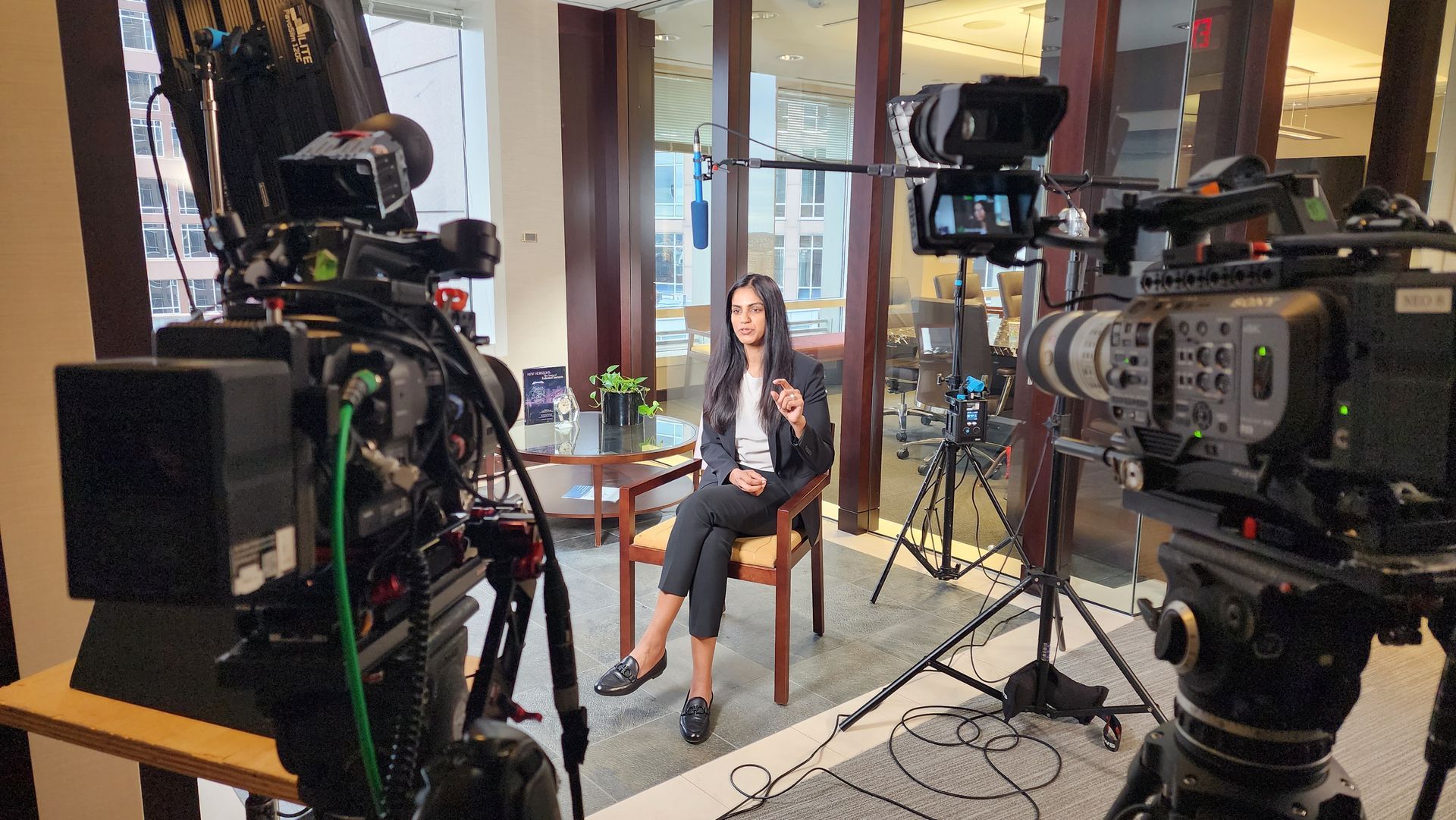
      There’s a continual debate about owning or renting gear and there’s certainly the pros and cons to both. The path I chose is to own gear. The investment has been great over the years and began with Betacam SP transitioning to HD cameras to today’s cinema cameras with the FX9 and FX3.

       My decision to own was based on being able to provide clients with a reliable source. As a production company geared to being able to provide equipment I know will be reliable on set. Equipment that doesn’t go out to various individuals and productions on a daily or weekly basis with the risk of failure and costly downtime trying to get a replacement.

        Whether a multi-cam or single camera shoot, by owning a majority of the equipment, I reduce the need to outsource which saves both time and can provide a cost savings to the client. Having the gear reduces my time to have to contact rental houses, confirm availability and travel to check out the equipment and pick it up. That time can also be best used to discuss with the client creative ideas for the project, logistics and crew needs.  It also provides the possibility to negotiate a rate that works best for both the client and myself. We both know that not every project has the same budget and by owning a majority of the gear required for the shoot, it provides the possibility of offering additional gear or discounted rate. 

       The idea of having everything isn't possible and yes, the need to outsource some equipment might be necessary. The idea is to reduce that need and provide a time and cost savings to the client where possible.



by Jeremy Rothman 20 May 2026
Human, Passion, Real!
by Jeremy Rothman 14 April 2026
Key thoughts for the One Man Band shoot requests
by Jeremy Rothman 23 February 2026
Why planning is important and coordinating critical
by Jeremy Rothman 28 March 2023
Video is a great tool for conveying your message whether you're selling a product, providing information about your service, training purposes for your company or highlighting aspects of what your company does. Tell your story It's important to start with a story. Know what the message is you want to tell and list the key points that you want the audience to watch and remember the most. Keep your message short. The average length of time people will stay interested is about 1-3 minutes on the internet and it's important that you keep them engaged. Keep it short! Know your audience Your video won't be for everyone and it's important that your video is thought with your audience in mind. If you're selling a product, providing information about your service or training employees or instructing people how to do something, knowing your audience is critical. Your Video is an investment Keep in mind it is an investment and as any investment, you're return will be highly dependent on the quality of the video. If your story is one that can last a few years, it will have diminishing returns. Having a realistic budget is key. There are many productions companies and agencies that offer services to help produce your video and finding one could seem like reading Goldilocks and the 3 Bears until you find the one that's just right for you with estimates from the unbelievably inexpensive to what seems extremely overpriced. These estimates are based on what you as the client envision, expect and have as a budget. It's important to provide a realistic approach based on what you budget for your project. A suggestion is to start with an outline and script. The phases of production Pre-production : This is the most important phase. Discussion about your project should be well communicated. Describing in detail what your story is. Knowing what elements of your story are key. What is your story about; the people, the service, the product? or maybe a combination of all three or something else. Will there be graphics, animation? Will these elements need to be created or provided in some form? Knowing what crew will be needed and who will be wearing those hats? Production: Where the magic begins to take shape and the necessary crew is there to make it all happen Post-Production: The final phase and where the communication from pre-production begins to take shape. With good communication throughout pre-production and proper execution during production, post-production can be a smooth process. Sometimes considered the aspect that carries the brunt of the production budget, cost savings come preventing fixes and cleanup from production that pre-production and production avoided with clear and precise execution.