The OMB: One Man Band
Key thoughts for the One Man Band shoot requests
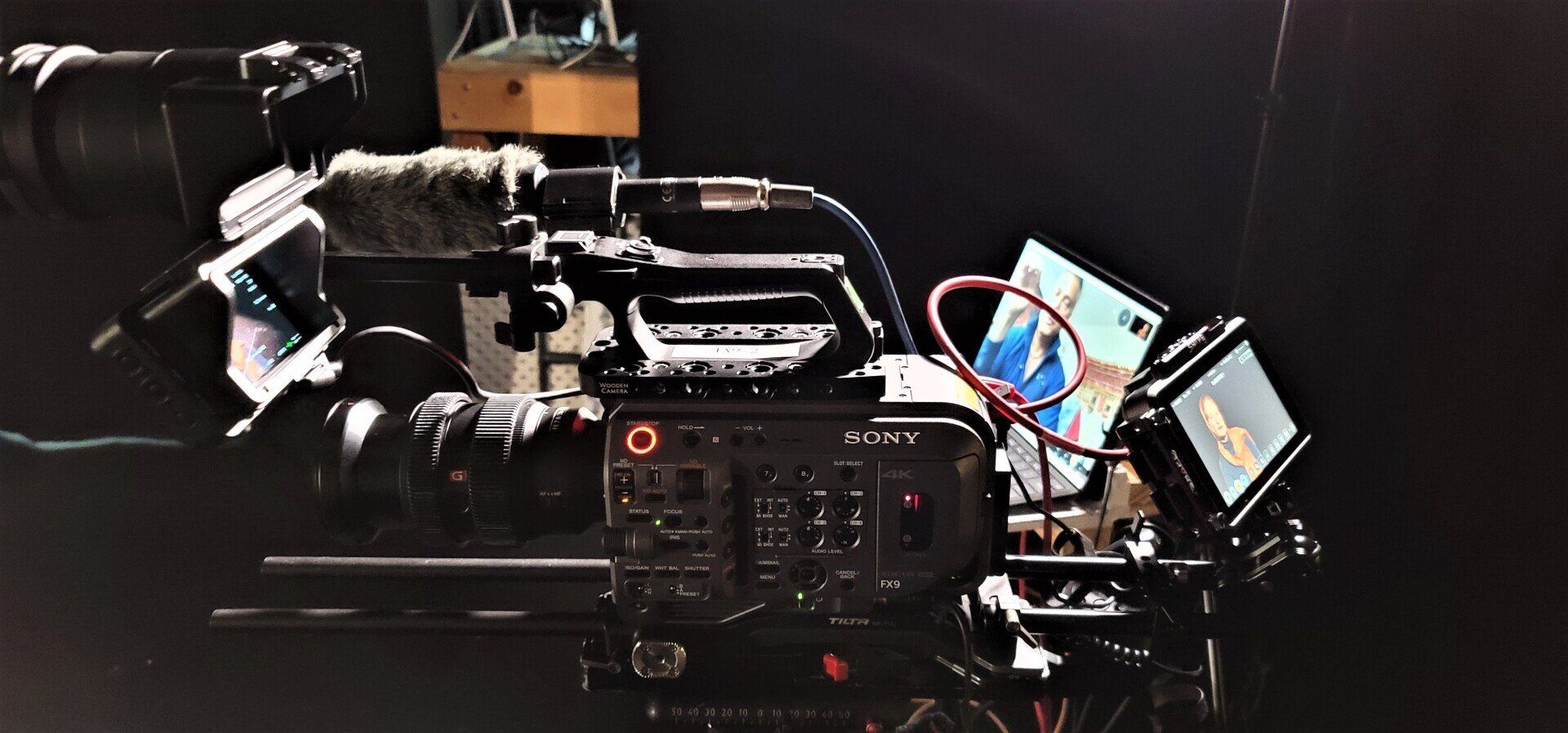
Most if not all DPs try to avoid the topic of the OMB as it's not a production request that is desired. I do think it should be addressed to better help a production plan for it when needed. The OMB or one man band crew request isn't new but became more prevalent during covid when production started ramping up again and the need to have smaller crew and footprint on location. There are instances where a OMB crew can be beneficial.
- It's a single interview setup needed as a pickup for a project and required to supplement what's already been shot.
- Limited time and space with talent where a small footprint is requested and talent might be nervous or a sensitive topic to be discussed
- Last minute need to interview and get b-roll.
- Budget doesn't allow for a large crew and simple interview and b-roll coverage is required.
This blog is not to encourage OMB requests, rather to provide an insight on how to best plan and best utilize the OMB production when absolutely necessary. It's important to recognize the request for such a crew is the desire to have a DP to perform the tasks of at least 2 to 4 individual crew roles and each role is important to the success and quality of the final day of shooting. Since that is the case, preproduction planning is key for a smooth day and the following should be considered prior to booking a DP/Camera op for the shoot. Each aspect of the shoot should still be considered crucial to the overall production value and should be carefully planned to maximize the time and assure that the DP/Camera op can provide what's needed, whether there is a producer on site or the interview is performed remotely. What should be planned during the prep for the shoot are:
- Location: If possible a scout of the location so that time isn't wasted looking around for the right space or photos of potential locations so that something can be decided prior to the arrival of the DP/Camera op. Noting any sound or lighting issues that might be an issue.
- Load-in and load out: Depending on the location, if the DP needs to load-in and load-out from a loading dock, ample time should be added to the arrival time to assure gear can be brought to location for interview and time to park and return to location.
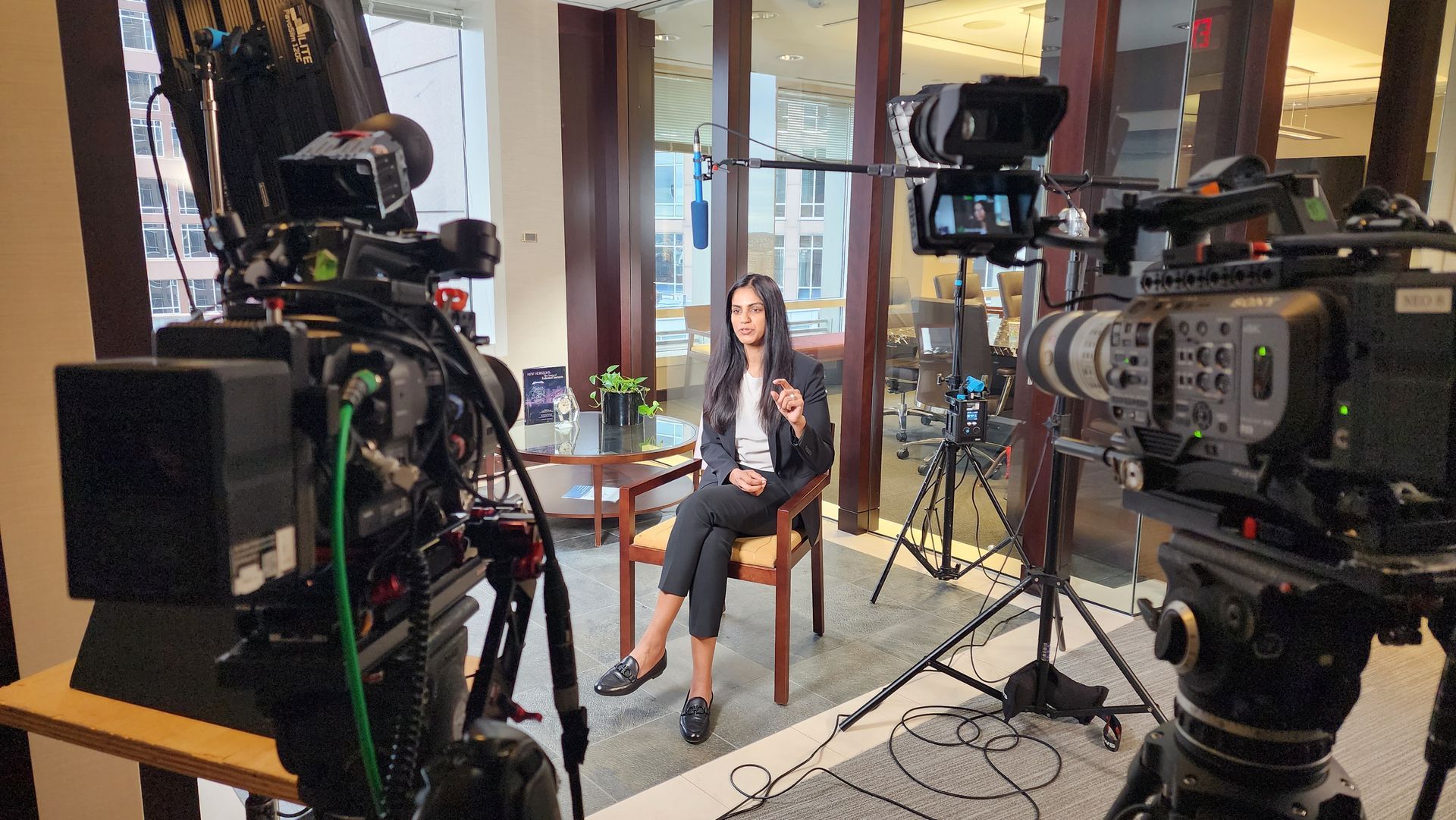
- Setup time: The DP is being asked to do the role of at least 2-4 crew members. Setting up camera and framing shot, lighting for the interview, setting up audio, testing microphone (lav or boom). Once putting a lav on talent or placing the boom, final looks at framing and testing of audio needs to be done. If a remote Zoom, Teams or Google call is required, time should be calculated in to get that configured and usually, that needs to be set prior to talent coming on set to confirm shot and audio.
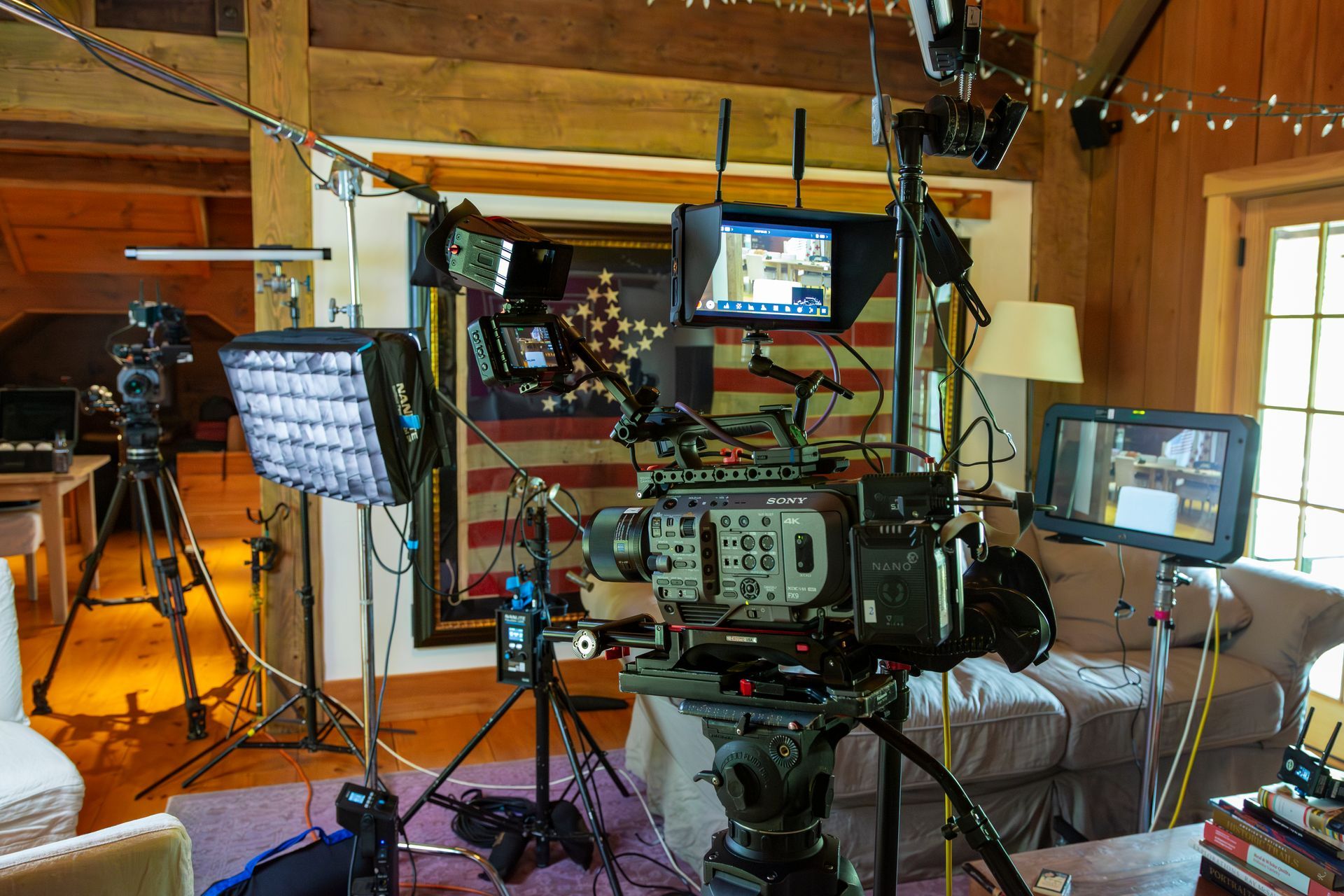
- Keep it simple. As OMB, gear request should be minimized to a single cart with a basic camera, audio, lighting and grip package that would make load-in and out easy and setup quick and efficient.
The key elements when requesting a crew is Time. Though there is a cost savings by not having at least a 2 person crew, each element required to have a successful shoot requires ample to time to make sure everything is setup to avoid any risk of failure. The other key factor is a DP/Camera op who is proficient, not only as DP, but capable to light and do audio.
I have shot many interviews for clients requesting OMB production setups and as I don't suggest nor recommend for many projects, there are those times, I understand the need. I always request that due to the minimal crew, there be careful consideration in planning out the day for crew and talent. May this blog be informative and help in your next production.